
Software development is undergoing a phase change

Subscribe to get full access to the newsletter and publication archives.
For decades, the primary interface between human intention and software behavior has been code. Engineers translated goals into implementation details by hand. Product managers wrote requirements. Designers created mockups. Engineers decomposed work, wrote code, tested it, reviewed it, deployed it, and operated it.
AI agents are beginning to disturb that model.
The important shift is not simply that agents can generate code. Code generation is only the visible symptom. The deeper change is that a new abstraction layer is emerging above the codebase: a layer where humans express intent, constraints, specifications, architectural principles, tests, workflows, policies, and desired outcomes, and agents translate those into working software.
That layer needs a name.
The Intent Layer will be a publication about this emerging discipline: how software gets built when human beings move from typing every line of code to designing, supervising, constraining, reviewing, and orchestrating intelligent systems that can act inside the development process.
This is not a newsletter about “AI coding tips.” It is about the new operating model for software engineering.
Core Thesis
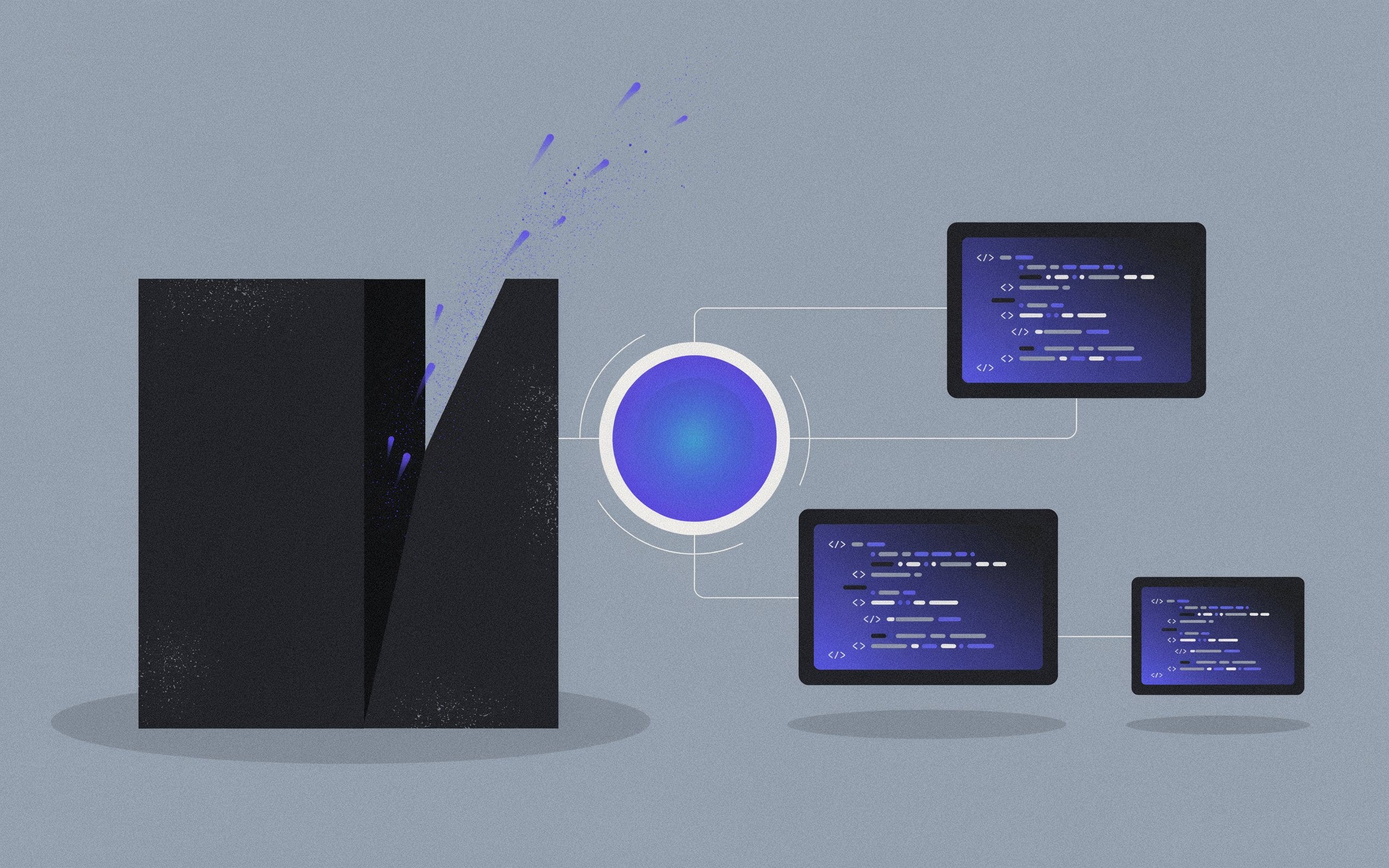
The next major shift in software engineering is not from one programming language to another, one framework to another, or one deployment model to another. It is a shift in the primary interface of software creation.
The center of gravity is moving:
From writing code
to expressing intent
From implementation-first development
to specification-first development
From manual coding workflows
to human-agent collaboration loops
From developer as typist
to developer as architect, reviewer, tester, and orchestrator
From codebase as source of truth
to a broader system of truth that includes specs, tests, prompts, policies, types, traces, and runtime constraints
This is the intent layer: the emerging layer between human goals and machine-executed software work.
Why This Publication Should Exist

The market conversation around AI coding is still shallow.
Most coverage focuses on productivity anecdotes: how fast someone built an app, how much code an agent produced, which model performs best on a benchmark, or which coding assistant has the best UX. These are useful observations, but they do not answer the harder questions that engineering leaders, founders, and serious developers now face.
The real questions are architectural, organizational, and operational:
Can agent-written code be trusted?
What changes when agents can edit production codebases?
What should the new software development lifecycle look like?
What becomes more important when code becomes cheaper?
How do specifications, tests, types, runtime guarantees, and review workflows evolve?
What happens to junior engineering, staff engineering, QA, DevOps, product management, and technical leadership?
Which software architectures are agent-friendly, and which ones are agent-hostile?
What does it mean to build software that agents can safely understand and modify?
The Intent Layer will focus on these questions.
It will give developers and leaders a vocabulary for understanding what is changing, a set of frameworks for acting on it, and a practical map of the emerging discipline of agentic engineering.
Target Audience
The primary audience is intellectually serious software builders and technical leaders who sense that AI coding is not just a productivity tool, but a structural change in how software work gets organized.
The audience includes:
Founders and technical CEOs who need to understand how agentic development changes product velocity, team structure, hiring, and competitive advantage.
CTOs and VPs of Engineering who need to decide where agents belong in the software development lifecycle and how to manage the risks of agent-generated code.
Staff engineers and architects who are responsible for system design, code quality, maintainability, reliability, and long-term technical leverage.
Developer tools founders who are building for the post-IDE, post-copilot, agent-native development environment.
AI-forward engineers who are already using tools like Cursor, Claude Code, Codex, Devin-style agents, code review agents, test generation agents, and internal automation workflows.
Investors and analysts trying to understand where value will accrue in the agentic engineering stack.
This should not be written as a mass-market AI newsletter. The tone should be smart, strategic, technical enough to be credible, and accessible enough for executive readers.
Editorial Positioning
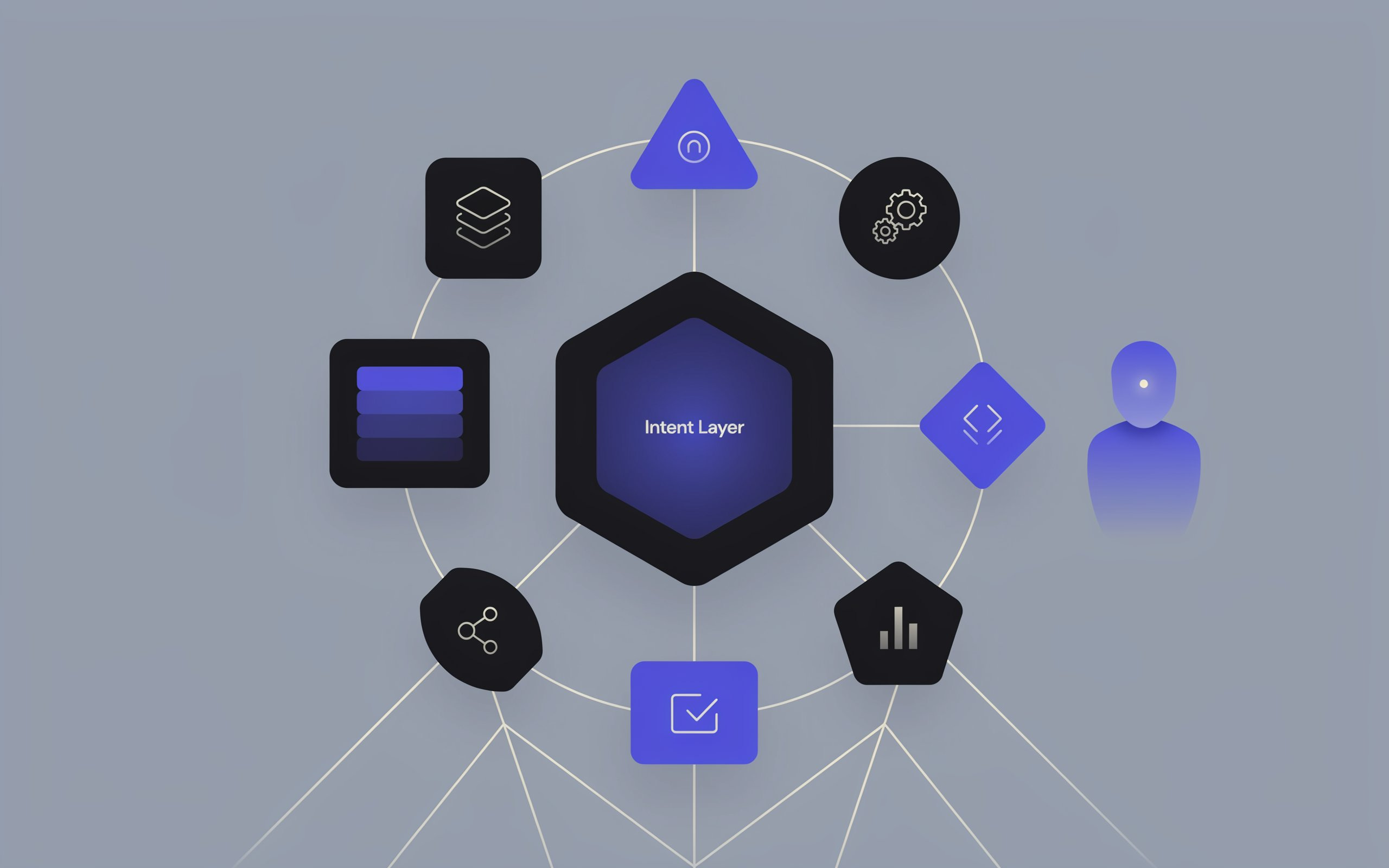
The Intent Layer should sit at the intersection of:
software engineering
AI agents
developer tools
systems architecture
engineering leadership
product development
organizational design
It should avoid generic AI boosterism. The point is not “AI will replace developers.” The point is more interesting: the work of software engineering is being reallocated.
The publication should take a clear position:
Agents will make code easier to produce, but that does not make software easier to engineer. In many ways, it makes engineering judgment more important. As code becomes cheaper, architecture, specification, verification, observability, and trust become more valuable.
That gives the publication a strong recurring argument:
The future belongs not to people who can merely prompt agents, but to people who can design systems where agents can act safely.
Publication Promise

A reader of The Intent Layer should come away with three kinds of value.
First, they should get language. They should be able to name what they are seeing: agentic engineering, intent layers, spec-first workflows, trust boundaries, agent-readable systems, review surfaces, autonomy gradients, and human-agent development loops.
Second, they should get judgment. They should understand which claims about AI coding are overhyped, which changes are real, which risks matter, and which practices are likely to become standard.
Third, they should get practice. They should be able to apply the ideas to their own teams, codebases, tools, and companies.
